
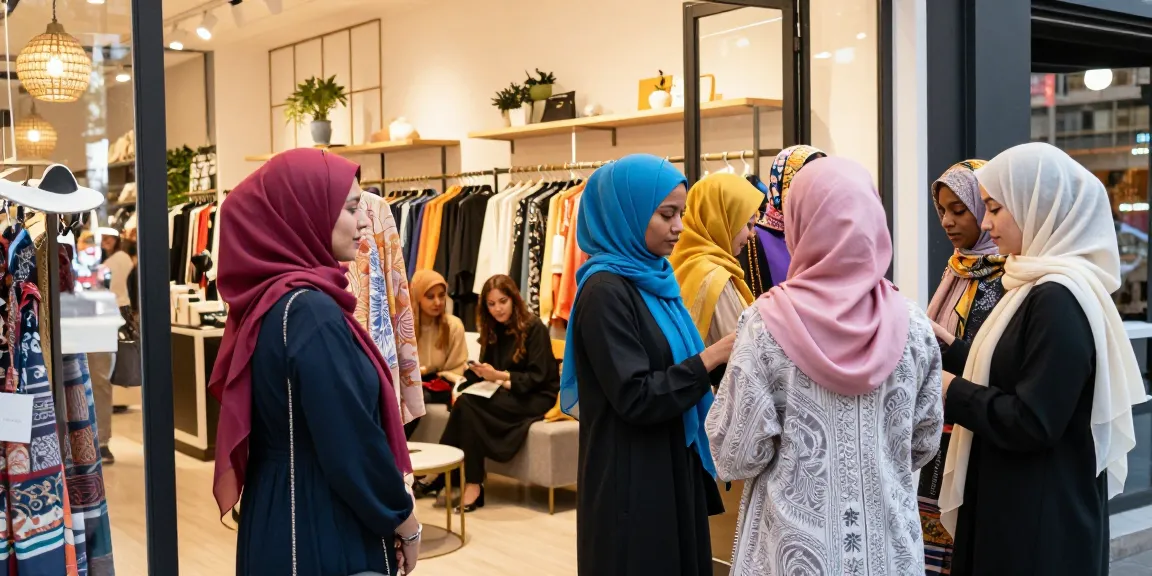
Understanding the Hijab Store Landscape in 2026
As we progress into 2026, the landscape of hijab stores has transformed significantly, reflecting the changing attitudes towards modest fashion and cultural representation. The rise in global awareness around modest fashion has catalyzed a surge in demand for diverse hijab styles, fabrics, and accompanying apparel. For those looking to explore various options, Hijab store offers a comprehensive selection that caters to modern styles and traditional preferences alike.
Current Trends in Hijab Shopping
The hijab shopping experience in 2026 is influenced by a blend of cultural underpinnings and fashion-forward thinking. Consumers now favor vibrant colors, unique patterns, and innovative materials that promote both modesty and elegance. The introduction of eco-friendly fabrics has become a significant trend, aligning with the growing demand for sustainable fashion. Shoppers increasingly seek products that are not only stylish but also ethically made, reflecting their values and environmental consciousness.
The Role of Modesty in Fashion
Modesty is no longer seen as a limitation but as a defining quality of contemporary fashion. Designers are increasingly showcasing hijabs in high-profile fashion shows, integrating them into mainstream fashion narratives. This shift is empowering many women to embrace their cultural identities while simultaneously participating in global fashion dialogues. The fashion industry is recognizing the need for inclusivity, and this is evident in the variety of styles available in hijab stores today.
Consumer Preferences and Choices
Today’s consumers are more informed and discerning. They often conduct extensive research before making a purchase, looking for reviews, ethical sourcing practices, and quality assurances. Preferences have shifted toward personalized shopping experiences, where customers can select styles that resonate with their personal identities. Additionally, online hijab stores are utilizing sophisticated algorithms to recommend products based on previous purchases and browsing behavior, enhancing customer satisfaction.
Overcoming Common Challenges in Hijab Stores
Despite the positive trends, hijab stores face several challenges that can impact customer experience and satisfaction. Understanding these challenges is essential for retailers aiming to thrive in this competitive market.
Quality vs. Affordability
One of the primary dilemmas customers face is the balance between quality and affordability. While many hijab stores offer budget-friendly options, these often come at the expense of durability and comfort. Consumers are increasingly willing to invest in high-quality hijabs made from breathable fabrics that are suitable for all-day wear, even if they carry a higher price tag. Retailers must find ways to communicate the value of their products to consumers looking to make a long-term investment in their wardrobe.
Finding the Right Fit and Style
Another challenge for hijab wearers is finding the right fit and style that complements their face shapes and personal tastes. Many shoppers are unsure about how to choose a hijab that not only suits their complexion but also aligns with their fashion sense. Hijab stores can mitigate this challenge by providing detailed sizing guides, style tips, and virtual try-on options to help customers visualize how different products will look on them.
Addressing Cultural Misunderstandings
Cultural misunderstandings can also pose challenges, particularly in regions where the hijab is less common. Educating non-Muslims about the significance of the hijab can foster a more inclusive environment. Hijab stores can play a pivotal role by offering resources and information that promote cultural appreciation and respect. Workshops, blogs, and social media campaigns can serve as platforms for sharing knowledge and experiences.
Strategies for Enhancing Customer Experience
Enhancing customer experience is crucial for hijab stores aiming to build a loyal customer base. Retailers must innovate and adapt to the evolving needs of consumers in this dynamic market.
Personalized Shopping Experiences
Personalization is key in today’s retail environment. Hijab stores can enhance the shopping experience by leveraging data analytics to provide recommendations tailored to individual preferences. Features like personal style quizzes and customer feedback loops can help retailers understand their clientele better and offer curated collections that reflect their tastes.
Utilizing Technology in Retail
Technology is transforming how consumers interact with hijab stores. From augmented reality (AR) applications that allow customers to try on hijabs virtually to AI chatbots providing instant customer service, the integration of technology can streamline the shopping experience. Utilizing these tools not only increases convenience but also helps in building consumer trust.
Creating an Inclusive Atmosphere
Creating an inclusive environment both online and in physical stores can significantly enhance customer loyalty. This includes training staff to be culturally sensitive and responsive to diverse customer needs. Furthermore, hijab stores should showcase diversity in marketing campaigns, reflecting the varying styles and preferences of hijab wearers around the world.
Marketing Techniques for Hijab Stores
Effective marketing strategies are vital for hijab stores to differentiate themselves in a crowded marketplace. Innovative approaches can significantly enhance brand visibility and consumer engagement.
Leveraging Social Media Influence
Social media platforms have become instrumental in shaping fashion trends and consumer behavior. Hijab stores can harness the power of platforms like Instagram and TikTok to showcase their products through visually appealing content. Collaborating with influencers who resonate with the target audience can amplify brand awareness and authenticity, driving traffic to online stores.
Building a Community Around Your Brand
Creating a sense of community can enhance customer loyalty and brand affinity. Hijab stores can engage with their audience through storytelling, sharing customer experiences, and creating interactive content. Hosting online forums or social media groups where customers share styling tips and experiences can foster a strong community around the brand.
Content Marketing Strategies for Engagement
Content marketing is an effective way to engage consumers and build brand authority. Hijab stores can produce blogs, video tutorials, and styling guides that provide valuable insights into fashion trends, care tips, and styling hacks. This not only educates the audience but also positions the brand as a trusted source in the modest fashion industry.
The Future of Hijab Stores and Modest Fashion
The future of hijab stores and modest fashion looks promising, driven by evolving consumer preferences and innovations in the retail landscape. Understanding emerging trends will be crucial for retailers looking to stay ahead.
Adapting to E-commerce Trends
As e-commerce continues to grow, hijab stores must enhance their online presence and optimize their digital strategies. Offering features such as fast shipping, easy returns, and responsive customer service will be key to attracting online shoppers. Investing in user-friendly website designs and mobile compatibility can significantly improve the online shopping experience.
Sustainable Practices for the Modern Hijab Store
With increasing awareness around sustainability, hijab stores must consider eco-friendly practices in their operations. This includes sourcing sustainable materials, reducing waste in packaging, and supporting fair trade practices. Brands that prioritize sustainability will resonate more with modern consumers who value ethical shopping.
Emerging Fashion Designers in 2026
The rise of new fashion designers specializing in modest wear is reshaping the industry. These designers bring fresh perspectives and innovative styles, appealing to a diverse audience. Supporting emerging talent can set hijab stores apart as trendsetters in the modest fashion landscape.
How can I ensure the right hijab style for my face shape?
Choosing the right hijab style for your face shape involves understanding the proportions of your features. For instance, oval faces can generally wear any style, while square faces might benefit from softer drapes. Consulting online resources or style advisors at hijab stores can provide tailored recommendations based on individual features.
What are the best materials for hijabs to stay comfortable?
Comfort in hijab materials is crucial, especially for all-day wear. Breathable fabrics like chiffon, jersey, and cotton blends are ideal, as they allow for airflow while providing coverage. When shopping, consider the climate and occasion to select the most appropriate materials.
How to mix and match hijabs with different outfits?
Mixing and matching hijabs can elevate any outfit. Start by identifying a color palette and then choose hijabs that complement your wardrobe staples. Patterns can add personality, so don’t hesitate to experiment with prints and textures to find combinations that resonate with your style.
Are there specific care instructions for hijabs?
Yes, proper care is essential to maintain the quality and longevity of hijabs. Always check the care label for specific instructions. Generally, hand washing with mild detergent and air drying is recommended to prevent damage to delicate fabrics.
What trends should I expect in hijab fashion over the next few years?
Expect to see more innovative designs that blend traditional elements with modern aesthetics. Sustainable fashion will likely become a leading trend, along with diverse styles that cater to different cultures and personal tastes. As the modest fashion movement gains momentum, creativity in hijab design will continue to flourish.


