Understanding Cape Cod Homes
When one thinks of charming coastal living, cape cod homes often come to mind. These homes, with their distinctive architectural features, evoke images of picturesque landscapes and serene beachside living. To truly appreciate these unique dwellings, it’s essential to delve into their historical significance, architectural elements, and cultural relevance in today’s society.
Historical Background of Cape Cod Homes
Originating in the early 17th century, Cape Cod homes were designed by early settlers seeking refuge from the harsh New England winters. These homes pulled inspiration from the traditional English thatch-roofed cottages, featuring simple, unadorned lines that prioritized functionality. The settlers used locally available materials like timber and wood shingles to create structures that were not only durable but reflected the beauty of their surroundings. Over the centuries, Cape Cod homes have evolved, influenced by changing tastes and new building technologies, but they remain a symbol of American architectural tradition.
Architectural Features that Define Cape Cod Homes
Cape Cod homes are characterized by their steep, gabled roofs that are often adorned with dormer windows, allowing natural light to flood the interior. Typically one or one-and-a-half stories tall, these homes exhibit symmetrical facades with a central entrance and flanked by multi-paned windows. Siding is almost universally wooden and often painted in natural colors, allowing the structures to blend seamlessly into their coastal environments. The inviting front porches, often decorated with rocking chairs, further enhance the quintessential Cape Cod lifestyle.
Cultural Significance and Modern Interpretations
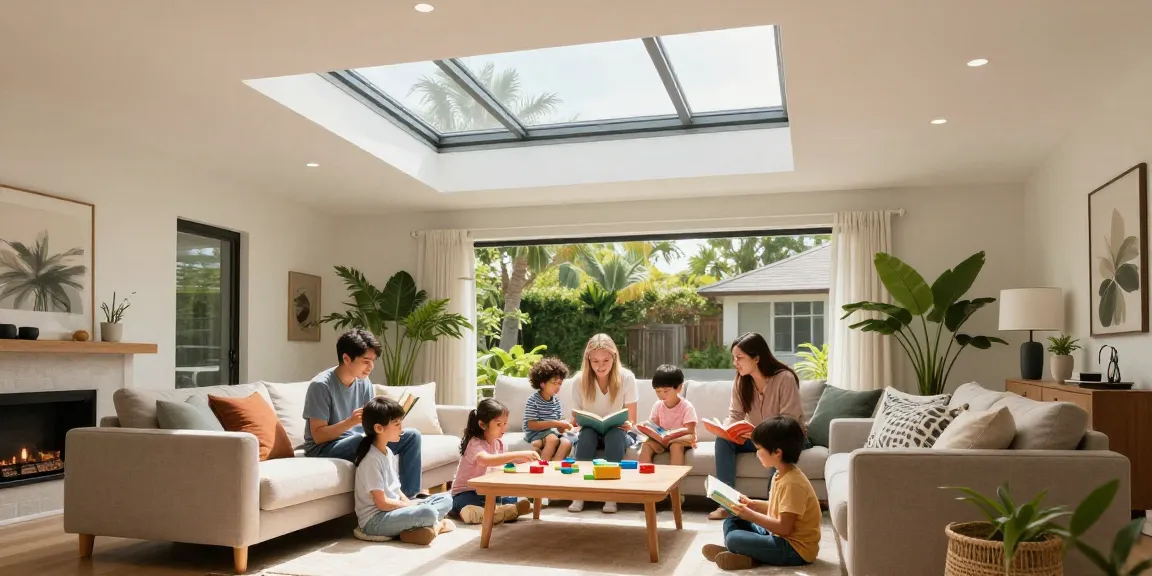
Throughout the years, Cape Cod homes have transitioned from mere functional structures into embodiments of a relaxed coastal lifestyle celebrated by many. In modern interpretations, these homes have embraced contemporary design elements while maintaining their traditional charm. This includes open floor concepts that encourage social interaction and modern kitchens designed for entertaining, proving that Cape Cod homes can coexist harmoniously with modern living while retaining their historical essence.
Design Principles in Cape Cod Homes
Designing a Cape Cod home involves an understanding of various principles that harmonize aesthetics and functionality. This includes careful consideration of color schemes, materials, outdoor spaces, and interior layouts that enhance the home’s overall flow.
Color Schemes and Material Selection
Classic Cape Cod homes often reflect the palette of their coastal environment. Soft blues, muted greens, and sandy beige work well in crafting a harmonious feel that aligns with the surrounding landscapes. The choice of materials also plays a crucial role; traditional wood siding is a staple, but modern interpretations may incorporate composite materials that echo the aesthetics while improving durability. Each choice, from paint to exterior finishes, should complement the home’s architectural style and the natural beauty that envelops it.
Maximizing Outdoor Spaces
Outdoor spaces are incredibly significant in Cape Cod homes, serving not just as extensions of indoor living areas but also as retreats that embrace the natural surroundings. Patios, decks, and gardens add functionality and aesthetic value. Incorporating native flora into landscaping not only enhances a property’s curb appeal but also promotes local biodiversity. Strategies such as creating outdoor seating areas that facilitate family gatherings or incorporating pathways with natural materials can yield spaces where residents can relax and enjoy the coastal ambiance.
Interior Layouts That Enhance Flow
Traditional Cape Cod homes often feature compartmentalized layouts, but modern adaptations thrive on open-concept designs that allow for seamless transitions between spaces. By reducing walls and expanding sightlines, homeowners can cultivate environments that feel more spacious and connected. Living areas that flow into dining and kitchen spaces enhance social interaction, allowing families and guests to engage more naturally while enjoying the cozy warmth of a Cape Cod home.
Sustainable Practices for Cape Cod Homes
In our contemporary age, sustainability is more critical than ever, even in the context of Cape Cod homes. The demand for eco-friendly solutions is rising, leading architects and homeowners alike to adopt practices that harmonize luxury with environmental awareness.
Eco-Friendly Building Materials
When building or renovating Cape Cod homes, the selection of materials directly impacts both the environment and the longevity of the structure. Using reclaimed or sustainably sourced wood can reduce deforestation while adding character to the home. For roofing, eco-friendly options such as metal or recycled materials can provide energy efficiency and longevity without compromising style. These choices not only support environmental goals but often reflect a homeowner’s commitment to sustainability.
Energy Efficiency Tips
The energy efficiency of Cape Cod homes can be significantly enhanced with strategic upgrades. Incorporating proper insulation, triple-glazed windows, and high-efficiency heating and cooling systems can lead to substantial energy savings. Moreover, embracing renewable energy sources, such as solar panels, helps homeowners lessen their carbon footprint and lowers utility costs. Regular maintenance checks and energy audits ensure that homes remain efficient over time, allowing families to enjoy comfort without excessive environmental impact.
Landscaping for Environmental Harmony
Landscaping can significantly impact the environmental footprint of Cape Cod homes. Utilizing native plants promotes local ecosystems and minimizes water usage, as these plants are well-adapted to the local soils and climates. Rain gardens can address drainage issues while enhancing biodiversity. Designing landscaping that embraces natural topography and soil can lead to more resilient properties that flourish with minimal upkeep. These practices not only beautify the home but also fortify the surrounding ecosystems.
Personalizing Your Cape Cod Home
Personalization allows homeowners to infuse their individual style into the traditionally structured Cape Cod homes. The pursuit of creating a personalized space may encompass various elements such as décor, landscaping, and innovative uses of space.
Decorative Styles for Every Taste
From classic nautical themes to modern minimalist motifs, the interior of Cape Cod homes can be tailored to reflect any owner’s tastes. Coastal decor—often characterized by shades of blue and white, natural fibers, and nautical accents—can create a serene ambiance. Some homeowners may opt for a more eclectic approach, blending vintage and contemporary pieces that enhance the homeliness while showcasing their personal collection. The key is to maintain an inviting atmosphere that reflects the spirit of coastal living.
Landscaping Ideas to Enhance Curb Appeal
The first impression of a Cape Cod home is significantly affected by its landscaping. Thoughtfully designed garden beds featuring colorful perennials, ornamental grasses, and decorative bushes can complement the home’s architecture. Incorporating elements like trellises, pathways, and water features augments visual interest, while well-placed outdoor lighting enhances safety and aesthetic appeal during the evening hours. Functional zoning within the garden to create distinct areas for relaxation, gardening, or play can transform an ordinary yard into an extraordinary outdoor living area.
Innovative Uses for Space
Maximizing available space is essential in Cape Cod homes, especially those with traditional layouts. Innovative storage solutions, such as built-in shelves, multi-functional furniture, and utilizing under-stair areas, can help declutter while providing necessary functionality. Additionally, creating flexible spaces, such as home offices that can transition into guest rooms, allows homes to adapt to the evolving needs of their inhabitants. Embracing creativity in space design results in practical yet stylish homes that cater to modern lifestyles.
FAQs about Cape Cod Homes
What are the key characteristics of Cape Cod homes?
They typically feature steep roofs, dormer windows, and wood siding. Additionally, they often exhibit a symmetrical design with a central entrance.
How can I modernize a Cape Cod home?
Introduce open floor plans, contemporary materials, and energy-efficient features while preserving the original charm and character of the home.
What landscaping suits a Cape Cod home?
Native plants and vibrant flower gardens work beautifully with the traditional architecture of Cape Cod homes, enhancing curb appeal and biodiversity.
Are Cape Cod homes energy efficient?
When designed with modern insulation, efficient windows, and energy-saving appliances, Cape Cod homes can achieve high levels of energy efficiency.
Where can I find Cape Cod home plans?
Many architects and online platforms provide varied plans focusing on the distinct features and aesthetic of Cape Cod homes suitable for customization.