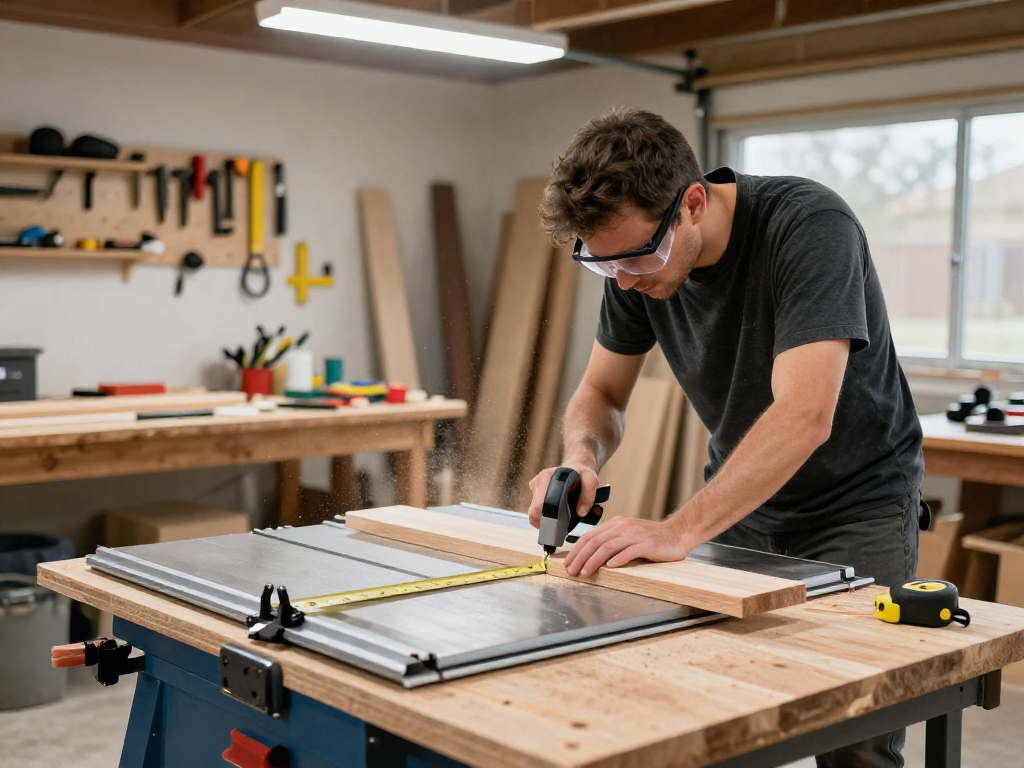
Understanding the Festool Table Saw: Features and Benefits
The festool table saw stands out in the woodworking market due to its precise engineering and user-centric design. For discerning woodworkers, it combines performance, safety, and versatility, making it an exceptional choice for both professionals and hobbyists. This article delves into what makes the Festool Table Saw a vital tool for any workshop and discusses its features, benefits, safety practices, maintenance tips, and future trends in woodworking.
What Makes the Festool Table Saw Unique?
One of the distinctive aspects of the Festool Table Saw is its focus on innovation and technology. Festool has a strong reputation for producing tools that enhance productivity and precision, and their table saws embody this philosophy. With a high-performance motor, exceptional dust extraction systems, and modular accessories, the Festool Table Saw is designed to cater to the needs of modern woodworkers. Its portability is another key feature, allowing for easy transport to job sites, which is essential for contractors and woodworkers on the move.
Key Features and Specifications
- Powerful Motor: The Festool Table Saw is equipped with an efficient motor that provides consistent power, even during heavy cuts.
- Precision Cutting: Features such as a high-quality blade system and adjustable cuts ensure maximum accuracy for intricate designs.
- Effective Dust Management: The integrated dust extraction system collects up to 99% of dust particles, ensuring a cleaner workspace.
- Portability: Lightweight with foldable stands allows easy setup and take down, making it perfect for mobile use.
- Versatile Accessories: The table saw can be fitted with a range of accessories, tailoring it to the specific needs of the project.
Benefits for Professional Woodworkers
For professional woodworkers, the benefits of using a Festool Table Saw extend beyond just its features. The saw significantly reduces the time spent on projects due to its precision and efficiency. With minimal setup time and the ability to achieve cleaner cuts, users can focus on creativity and design rather than dealing with technical issues. Additionally, the dust extraction capabilities contribute to overall work safety and health, creating a more pleasant working environment. Moreover, the durability of Festool products ensures that woodworkers can rely on their tools for long-term performance.
Choosing the Right Festool Table Saw for Your Needs
Selecting the appropriate Festool Table Saw involves understanding various models and their specifications. Each model comes with distinct features catering to different woodworking needs, so it’s essential to assess your requirements thoroughly before making a purchase.
Identifying Your Woodworking Requirements
Before you select a table saw, it’s crucial to evaluate your specific woodworking projects. Consider factors such as:
- Type of Materials: Are you primarily working with hardwood, softwood, or composite materials? The saw should be capable of cutting through your preferred materials efficiently.
- Cutting Volume: How often will you use the saw? For heavy daily use, investing in a more robust model might be necessary.
- Portability Needs: If you frequently work at different locations, a lightweight model with easy transport features is essential.
Comparative Analysis of Festool Models
Festool offers a range of table saws each with unique specifications. For example, the Festool TS 55 REBQ and the Festool TKS 80 are both excellent options but cater to different use cases. The TS 55 REBQ is renowned for its portable design and versatility, while the TKS 80 is better suited for more extensive cuts, such as sheet goods. Understanding the strengths and limitations of each model will help you choose the best fit for your woodworking endeavors.
Cost Considerations and Budget Planning
The price range for Festool table saws can vary significantly based on the model and features. Generally, budget planning for a quality table saw should account for both the initial investment and ongoing costs such as accessories and maintenance. It’s critical to compare prices across retailers and consider the long-term value of investing in a high-quality tool that will serve you for years to come.
Best Practices for Operating a Festool Table Saw Safely
Safety should always be the top priority when operating any power tool, especially a table saw. By following best practices, woodworkers can minimize risks and ensure a safe working environment.
Essential Safety Gear and Precautions
Wearing the right personal protective equipment (PPE) is essential. This includes safety glasses to protect your eyes from flying debris, ear protection to prevent hearing loss, and a dust mask to avoid inhaling harmful wood particles. Always ensure your work area is well-lit and organized, reducing the chance of accidents caused by clutter.
Common Mistakes to Avoid
There are several common pitfalls new users may encounter. One significant error is not checking the blade alignment before making cuts, which can lead to inaccurate results and increased risk of kickback. Additionally, failing to secure materials properly can lead to dangerous situations. Always follow manufacturer instructions and familiarize yourself with the tool's settings before use.
Handling Difficult Cuts and Complex Projects
When faced with complex cuts or challenging materials, take the time to plan your approach. Using the right blade type is critical; specialized blades are available for specific tasks, such as ripping or crosscutting. For intricate projects, consider using jigs or guides to ensure precision and stability during cuts.
Maintenance Tips for Your Festool Table Saw
Regular maintenance is key to extending the lifespan and performance of your Festool Table Saw. By adhering to a structured maintenance routine, users can avoid common issues and ensure smooth operation.
Routine Maintenance Checklist
- Blade Inspection: Regularly inspect the blade for wear and damage, replacing it when necessary.
- Cleaning: Keep the saw clean by removing sawdust and debris, especially from the dust extraction system.
- Lubrication: Apply lubricant to moving parts, following the manufacturer’s guidelines for best results.
Diagnosing and Fixing Common Issues
Common issues may include inaccurate cuts or difficulties with powering on the saw. For inaccurate cuts, double-check blade alignment and ensure the fence is set correctly. If the saw does not power on, check the power source and any fuses that may have blown. Regular troubleshooting can save time and money in repairs.
Extending the Lifespan of Your Equipment
To maximize the lifespan of your Festool Table Saw, consistent upkeep is essential. Store the saw in a cool, dry place when not in use to prevent moisture damage, and avoid exposing it to extreme temperatures. Additionally, invest in quality blades and parts to ensure optimal performance and longevity.
Future Trends in Woodworking: The Role of Technology in 2026
As we move toward 2026, technology is poised to revolutionize the woodworking industry further. Innovations will likely lead to even more efficient and safer tools, including advancements in smart technology integration.
Emerging Technologies in Table Saw Design
The integration of artificial intelligence (AI) and automation in table saws is expected to enhance precision and safety. Future saws may feature advanced sensor technology that can detect errors or dangerous conditions, automatically adjusting operation to prevent accidents.
Smart Features and Connectivity in Festool Tools
Smart connectivity will allow woodworkers to monitor their equipment remotely, receive maintenance reminders, and access performance analytics. This could transform how professionals approach their work, enabling a data-driven approach to woodworking that optimizes both efficiency and effectiveness.
Predictions for the Woodworking Industry
The woodworking industry is anticipated to see significant growth as consumer interest in DIY projects and customized furniture increases. As tools become smarter, woodworkers will have greater capabilities to experiment with complex designs, ultimately pushing the boundaries of creativity and craftsmanship.
What is the most common use for a festool table saw?
The most common use for a Festool Table Saw is making precise cuts in wood, whether for cabinetry, furniture, or intricate woodworking projects. Its versatility and precision make it invaluable for achieving accurate dimensions and clean edges.
How does the festool table saw compare to traditional saws?
Compared to traditional saws, the Festool Table Saw offers superior safety features, enhanced dust extraction, and greater portability. The design and engineering focused on precision set it apart, making it a preferred choice for professionals seeking reliable performance.
What safety features are included with festool table saws?
Festool Table Saws are equipped with several safety features, including riving knives to prevent kickback, blade guards for finger protection, and an anti-jam switch. These features ensure user safety during operation.
Can I use a festool table saw for both hardwood and softwood?
Yes, a Festool Table Saw is designed for use with both hardwood and softwood. With the appropriate blade and settings, it can efficiently cut through various types of wood, providing versatility for all woodworking projects.
What is the average price range for a festool table saw?
The average price range for a Festool table saw typically falls between $1,200 to $2,500, depending on the model and features. For more information, Mister Worker offers valuable insights. This investment reflects the quality, durability, and performance of Festool products in professional woodworking environments.