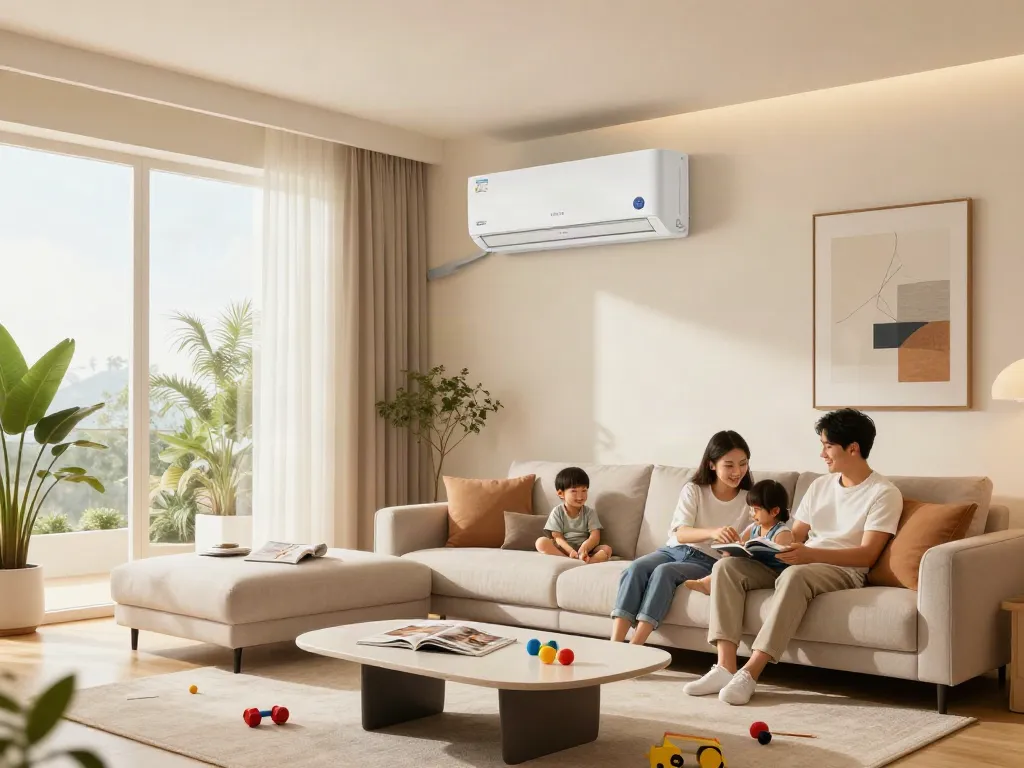
Understanding the 18000 BTU Mini Split System
The 18000 btu mini split system is a powerful cooling and heating solution designed to efficiently regulate indoor temperatures in various spaces. As climate control becomes increasingly essential in contemporary homes and businesses, understanding the functionality and advantages of a mini split system is crucial for homeowners looking for energy-efficient alternatives to traditional HVAC systems.
What is an 18000 BTU Mini Split?
A mini split system is a type of ductless air conditioning and heating system. The 18,000 BTU designation refers to its cooling and heating capacity—specifically, the ability to remove or add 18,000 British Thermal Units of heat per hour. This capacity makes it ideal for medium to large spaces, typically ranging from 550 to 1,250 square feet, depending on various factors like insulation and layout.
Key Features and Benefits of 18000 BTU Mini Splits
- Ductless Design: Mini split systems require no ductwork, making installation simpler and reducing the risk of energy loss commonly associated with traditional duct systems.
- Energy Efficiency: With advanced inverter technology, these systems adjust the compressor speed to meet cooling or heating demands, resulting in lower energy consumption and utility bills.
- Flexible Installation: Mini splits can be installed in various configurations, allowing for multiple indoor units connected to a single outdoor unit, providing customized comfort in different rooms.
- Quiet Operation: Designed for minimal noise, mini split systems operate quietly compared to traditional HVAC units, enhancing indoor comfort without disturbing your activities.
How Does an 18000 BTU Mini Split Work?
The 18000 BTU mini split operates through a simple refrigeration process. It consists of two main components: an indoor unit and an outdoor compressor unit. The indoor unit absorbs heat from the room air, while the outdoor unit dissipates this heat into the outside air. The refrigerant fluid circulates between these two units, transferring heat in and out as required, thereby maintaining the desired indoor temperature efficiently.
Evaluating Your Space for an 18000 BTU Mini Split
Before investing in an 18000 BTU mini split, it’s essential to evaluate your space to ensure compatibility and effectiveness. Factors such as room size, insulation quality, and layout play significant roles in determining the right system for your needs.
Ideal Room Sizes for 18000 BTU Mini Splits
Generally, an 18000 BTU mini split is capable of adequately cooling or heating spaces between 550 and 1,250 square feet. However, this range can vary based on factors like ceiling height, the number of windows, and the presence of insulation. Here are some typical applications:
- Living Rooms: Perfect for cooling larger living areas or open concept designs.
- Master Bedrooms: Ideal for larger bedrooms, ensuring comfort during warmer months.
- Commercial Spaces: Can effectively manage temperature in small offices or retail environments.
Assessing Insulation and Layout
Before installing an 18000 BTU mini split, assess your home’s insulation and layout. Well-insulated rooms can retain heat or cool air more effectively, which means your mini split won’t have to work as hard. In contrast, poorly insulated spaces may lead to increased energy usage and less effective temperature control. Consider conducting an energy audit to identify areas for improvement.
Common Mistakes in Sizing Your Mini Split
One of the most common mistakes homeowners make is selecting a mini split that is too large or too small for their space. An oversized unit can lead to short cycling, which reduces efficiency and increases wear on the system. Conversely, an undersized unit will struggle to maintain desired temperatures, leading to discomfort and higher energy bills. It’s crucial to consult with HVAC professionals to calculate the appropriate size based on your specific requirements.
Cost Considerations for Installing an 18000 BTU Mini Split
When considering an 18000 BTU mini split, cost is a significant factor. The initial investment can vary, but understanding the long-term savings can make this system a worthwhile expense.
Initial Costs: What to Expect?
The price of an 18000 BTU mini split system typically ranges from $1,200 to $3,000, including installation. Factors influencing these costs include the brand, features, and whether you choose a DIY installation or hire a professional. Additionally, some systems come equipped with enhanced features such as Wi-Fi connectivity and smart-home compatibility, which can further affect the pricing.
Long-term Savings and Efficiency
Despite the initial costs, an 18000 BTU mini split can lead to significant long-term savings. Because of their high energy efficiency ratings—often around 18 SEER or higher—these systems consume less energy than traditional systems, potentially reducing your energy bills by up to 30%. Furthermore, many utility companies offer rebates and incentives for installing energy-efficient systems, making the transition even more financially viable.
Comparing Costs with Other Cooling Options
When comparing costs, consider the expenses associated with traditional HVAC systems, which often require routine maintenance, ductwork installation, and replacement costs. In contrast, mini splits have fewer components to maintain and no ducts to clean or replace, making them a cost-effective solution over time.
Installation Process for 18000 BTU Mini Splits
The installation process for an 18000 BTU mini split can be straightforward, especially for those willing to tackle a DIY project. However, understanding the steps involved can help you make an informed decision.
DIY vs. Professional Installation: Pros and Cons
Choosing between DIY installation and hiring a professional often depends on your comfort level and experience with HVAC systems. DIY installation can save you labor costs, but it requires a good understanding of electrical work and plumbing. On the other hand, hiring a professional ensures that the system is installed correctly and can often come with warranties and maintenance agreements.
Step-by-Step Guide to Installing a Mini Split
- Choose Location: Select a location for both indoor and outdoor units that minimizes the distance between them.
- Mount Indoor Unit: Install the indoor unit on the wall, ensuring it is level and secure.
- Install Outdoor Unit: Position the outdoor unit on a level surface, allowing for adequate airflow.
- Connect Refrigerant Lines: Run refrigerant lines between the indoor and outdoor units, ensuring they are properly insulated.
- Electrical Connections: Connect the power supply to the outdoor unit and complete the electrical connections.
- Test the System: Once installed, test the system to ensure it is functioning correctly and efficiently.
Common Challenges During Installation
Potential installation challenges can include selecting the right mounting location, ensuring proper insulation of refrigerant lines, and managing electrical work. If you're unsure about any aspect of the installation, it is advisable to consult or hire a professional to avoid costly mistakes.
Future Trends in Mini Split Technology for 2026
The mini split market is evolving rapidly, with several trends set to define its future. Keeping an eye on these advancements can help you stay informed about the best practices in climate control technology.
Advancements in Energy Efficiency Standards
With growing concerns over energy consumption and environmental impact, manufacturers are focusing on developing mini splits that meet higher energy efficiency standards. Expect to see units that exceed current efficiency ratings, which will further reduce energy costs and environmental footprints.
Smart Technology Integration in Mini Splits
The integration of smart technology into mini splits will likely become more prevalent. Features such as smartphone app controls, voice activation, and adaptive learning will make these systems not just energy-efficient but also more user-friendly.
Predictions for Market Growth and Consumer Preferences
As more homeowners become aware of the benefits of ductless systems, the demand for mini split solutions will likely grow. Factors such as rising energy costs and increased emphasis on energy-efficient living will further influence consumer preferences towards systems like the 18000 BTU mini split.
What is the cooling capacity of an 18000 BTU mini split?
The cooling capacity of an 18000 BTU mini split is specifically designed to cool spaces approximately 550 to 1,250 square feet, depending on various factors including insulation and layout.
Are 18000 BTU mini splits suitable for homes in warmer climates?
Absolutely! An 18000 BTU mini split is ideal for warmer climates, providing efficient cooling and heating solutions that can handle the rigorous demands of high temperatures.
How often should I service my 18000 BTU mini split?
Regular maintenance is essential for optimal performance. It is recommended to service your mini split annually, which includes cleaning filters and checking refrigerant levels.
Can I install multiple indoor units with one 18000 BTU outdoor unit?
Yes, you can connect multiple indoor units to a single outdoor unit, allowing for different temperature settings in various rooms or zones.
What maintenance is required for an 18000 BTU mini split?
Maintenance typically includes cleaning or replacing filters, checking refrigerant levels, ensuring the condensate drain is clear, and inspecting the outdoor unit for debris or obstructions.