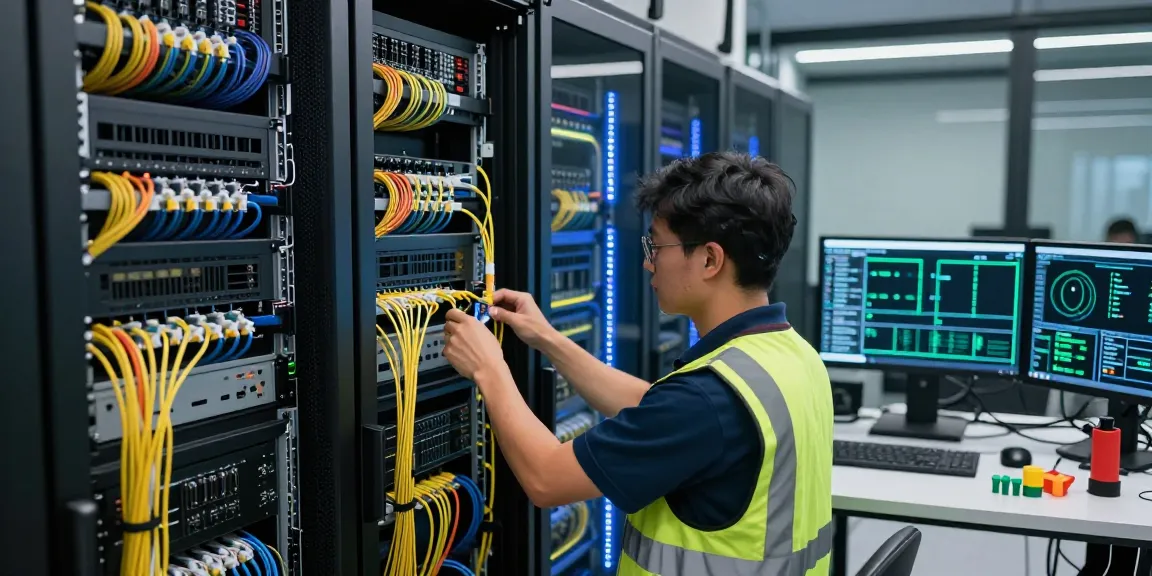
Understanding the Importance of Optical Cords in Modern Networking
In an era where digital transformation is at the forefront of business strategies, the significance of optical cords in modern networking cannot be overstated. These advanced components facilitate high-speed data transmission, serving as the backbone for various applications, from data centers to telecommunications. With the rise of AI and cloud computing, the demand for reliable and efficient connectivity continues to surge, making the selection of quality optical cords a critical component for maintaining robust network performance. When exploring options, optical cords provide comprehensive insights into the necessary standards and technologies essential for optimal functionality.
What Are Optical Cords and Their Applications?
Optical cords, also known as fiber optic cables, are designed to transmit data using light signals. Unlike traditional copper cables, which use electrical signals, optical cords leverage the principles of photonics to achieve faster and more reliable data transfer over long distances. They are used in a variety of applications, including:
- Data Centers: High-density fiber assemblies provide the speed and reliability necessary for efficient data handling.
- Telecommunications: Optical cords are used extensively in telecommunication networks, ensuring that voice and data communications are crystal clear.
- Broadcasting: Optical cables facilitate high-quality video transmission for television and media companies, allowing for seamless broadcasts.
- Industrial Applications: In sectors such as manufacturing and automation, optical cords are used for data collection and monitoring critical processes.
The Role of Optical Cords in Data Transmission
Data transmission through optical cords involves the modulation of light signals, enabling data to travel at speeds that are exponentially faster than those of copper counterparts. The ability to handle high bandwidth makes optical cords ideal for applications requiring the transfer of large amounts of data. Furthermore, their immunity to electromagnetic interference (EMI) ensures that the data remains intact during transmission, ultimately enhancing the reliability of network communications.
Benefits of Choosing Quality Optical Cords
Investing in high-quality optical cords offers numerous benefits, including:
- Reduced Latency: Faster data transmission rates lead to lower latency, which is critical for applications such as video conferencing and online gaming.
- Longer Distances: Optical cords can transmit data over several kilometers without the need for repeaters, making them ideal for wide-area networks (WANs).
- Higher Capacity: The capacity for increased data transfer helps businesses scale their operations without needing to overhaul existing infrastructures.
- Enhanced Security: Optical signals are more difficult to tap than electrical signals, providing an additional layer of security for sensitive data.
Streamlining Procurement with FiberElectronics' PCPP
The procurement process for optical cords and related components can often be cumbersome and inefficient. However, with FiberElectronics’ Preferred Customer Pricing Program (PCPP), companies can simplify their procurement strategies significantly. The PCPP is designed to provide superior value for businesses looking to optimize their supply chain management.
How the Preferred Customer Pricing Program Works
The PCPP operates on a straightforward principle: it offers pre-negotiated pricing based on a company’s annual run rates. This model not only streamlines costs but also secures pricing against market fluctuations, allowing businesses to budget effectively. By joining the program, customers gain access to locked-in savings, providing a unique opportunity to optimize operational expenditures over time.
Advantages of Zero-Cost Inventory Management
One of the standout features of the PCPP is its approach to inventory management. FiberElectronics offers a zero-cost inventory management system, which eliminates the burdens of holding large stock levels while ensuring that companies have access to the necessary supplies when they need them. By managing Min/Max stock levels at no extra charge, businesses can focus on their core operations without worrying about supply chain disruptions.
Strategies for Administrative Freedom and Fast Fulfillment
Administrative efficiency is crucial for meeting tight project deadlines. FiberElectronics simplifies the purchasing process by eliminating the need for Request for Quotations (RFQs) and enabling a streamlined Purchase Order (PO) process. With same-day fulfillment, customers can expect immediate shipping to meet their critical timelines, enhancing the overall procurement experience.
Ensuring Network Reliability Through Quality Assurance
The backbone of any successful networking operation is reliability, particularly in mission-critical environments. Quality assurance measures are essential to ensure that optical cords and related components meet stringent industry standards.
Certifications That Matter: ISO and TL Compliance
FiberElectronics upholds industry-leading certifications, including ISO 9001 and TL 9000 compliance, which signify a commitment to quality management and consistent performance. These certifications ensure that optical cords meet rigorous standards, providing customers with the confidence they need in their supply chain.
Real-World Success Stories: Trust Through Proven Performance
Success stories from industry leaders such as NYSE, Facebook, and Ciena illustrate the reliability of FiberElectronics’ solutions. These organizations have achieved operational excellence by integrating high-performance optical cords into their infrastructure, reducing downtime and increasing data transfer rates significantly. Client testimonials and performance metrics provide the credibility needed for prospective customers to trust FiberElectronics as their connectivity partner.
How to Measure Quality in Optical Cord Suppliers
When selecting an optical cord supplier, consider the following metrics:
- Certifications: Ensure that the supplier holds relevant industry certifications for quality assurance.
- Delivery Speed: Evaluate the supplier's commitments to delivery timelines and their ability to meet urgent needs.
- Customer Support: Look for suppliers that offer robust customer support services, including technical assistance and troubleshooting.
- Performance Ratings: Review case studies and customer feedback regarding product performance and reliability.
Future Trends in Optical Technology and AI Connectivity
The future of optical technology is inexorably linked to advancements in AI and machine learning. As networks evolve to accommodate increasing data demands, new technologies will emerge to further enhance connectivity.
Emerging Technologies: Co-Packaged Optics and Beyond
Co-packaged optics is on the horizon as a revolutionary method of integrating optical and electronic components within a single package. This approach promises to minimize latency and improve bandwidth efficiency, creating a more seamless data transfer experience. The integration of silicon photonics into optical cord technology will likely play a pivotal role in shaping future innovations in connectivity.
Preparing for the 800G and Future Network Requirements
As networks transition to support 800G technologies and beyond, the demand for high-speed optical cords will increase. Companies preparing for this shift must ensure their optical components can handle the enhanced performance requirements, utilizing advanced materials and design techniques to provide scalable solutions for their infrastructures.
The Impact of AI on Optical Cord Innovations
The influence of AI on optical cord innovation cannot be underestimated. AI algorithms can optimize network performance by dynamically managing data flow and predicting maintenance needs. This intelligence enables networks to adapt to changing conditions, offering improved reliability and efficiency, which is essential for high-performance applications across industries.
Frequently Asked Questions About Optical Cords
What is the difference between optical cords and copper cables?
Optical cords use light to transmit data, whereas copper cables rely on electrical signals. This fundamental difference enables optical cords to achieve higher speeds and greater distances without signal degradation.
How do I choose the right optical cord for my project?
Choosing the right optical cord depends on several factors, including the required bandwidth, distance of transmission, and specific application needs. Consider consulting with experts to assess your project’s requirements.
What are common challenges when using optical cords?
Common challenges include installation complexities and the need for proper handling to prevent damage. Ensuring skilled technicians are involved can mitigate these issues effectively.
Can optical cords improve network efficiency?
Yes, optical cords significantly enhance network efficiency by providing higher bandwidth, reduced latency, and improved data reliability compared to traditional copper solutions.
What are the maintenance requirements for optical cords?
Optical cords generally require minimal maintenance, but routine inspections and cleaning of connectors are essential to prevent performance degradation due to dust and debris.